Turmeric is not a new product, as it has been used many years as a spice to prepare tasty food, and as a kind of medicine to treat the skin as well. Nowadays, turmeric can be used as a skin ingredient in a face mask, scrub, lotion, and soap. Others are also not keen on applying turmeric due to its staining ability, however, with it as one of the ingredients on a soap or lotion there is nothing to worry about.
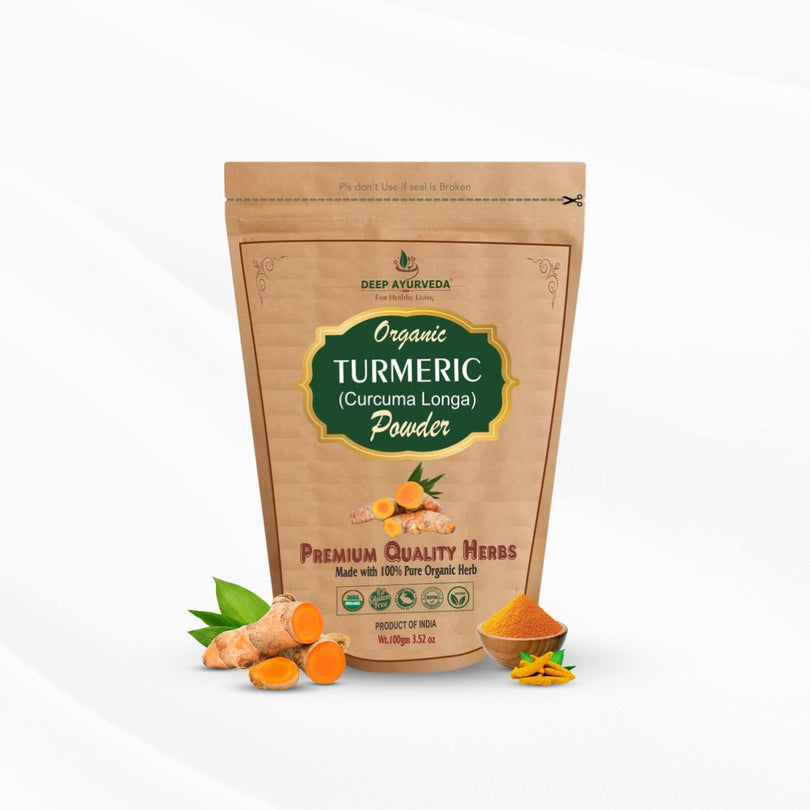
Who ever heard of a glowing skin coming out of your spice-box? Yes, we have turmeric on the skin. Your mother, your grandmother has believed in this golden ingredient and the best thing is that even science supports it. Have you ever thought about it, is turmeric good on face or could I apply turmeric on my face daily? You have made the right place.
We will start to unveil a secret of ancient beauty in this blog, which definitely needs a permanent place in your skincare. Join us and discover the turmeric benefits to the skin and how you can use it to make your skin bright.
What Is Turmeric
Turmeric belongs to ginger family and it has been hundreds of years of culinary, skin care and medicinal use in India. Tumeric magic comes in the form of curcumin which is a bioactive compound that is abundant in antioxidant and anti inflammatory effects. The ingredient will aid in calming irritation, pigmentation, and combating the harmful effects of free radicals that flatten your radiance.
Due to the cumulative merits of turmeric in relation to the skin, it has become a skincare staple among the people in the world.
What is so good about turmeric on your skin?
The advantages of turmeric to skin are many! Antioxidants and anti-inflammatory properties Turmeric is loaded with antioxidants and anti-inflammatory properties that can be beneficial to the skin. There are periods when your skin requires a bit of assistance and you need to cleanse it with the help of turmeric. It may not be noticeable at first but with repeated use, one should be able to see some results in a few weeks time.
Does the form of turmeric you use matter?
It will not matter the kind of turmeric you use but how you use it will vary. As an illustration, you can always put on your face using kitchen turmeric spice as a face mask with honey or yoghurt, and that is perfectly safe and convenient. All you need to bear in mind is not to leave it on too long since turmeric will leave some yellow colouring in case of this direct application.
The other alternatives are on applying turmeric skin products whereby the turmeric has been infused into the product in a mild way as in Lifebuoy and turmeric soap. This light soap makes your skin clean, fresh and soft; and with the added advantage of turmeric. It also has germ protection feature as an added confidence.
10 Health Benefits of Turmeric on the Skin
The following are ten possible turmeric skin benefits whether in the raw form or as a pre-existing part of soaps, lotion, masks and other cosmetic items:
1. Helps brighten dark spots

Dark spots and dark under-eye circles are extremely normal but hard to clear up. Turmeric is beneficial in lightening up the skin and the tone of the skin that appears uneven on your side resulting in clear skin.
2. Helps heal skin wounds

Washing with turmeric soap can make your skin wounds heal much faster. The anti-inflammatory effects reduce the inflammation level of the skin; and accelerate the formation of new tissue by skin.
3. Assists with certain skin condition

human Assists with certain skin condition. In case you are having the psoriasis disease, the skin care specialists have indicated that turmeric can be helpful in this disease because it kills bacteria which causes psoriasis.
4. Helps reduce blemishes
Acnes can be controlled by using Turmeric soap and facial products including masks to counter the bacteria. It is capable of healing the skin by lowering the inflammation of the skin.
5. Helps fade skin scars
And, in case you have had problems with acne and have the scars, a homemade turmeric face mask should be attempted. The skin-brightening agents are also able to make the skin light and minimize scars.
6. Brings out the glow
In addition to the fact that turmeric is naturally golden, it could make you shine naturally. Your skin appears to be naturally even and glamorous with less dark spots and hyperpigmentation.
7. Anti-aging properties
At some age, collagen is no longer produced in our bodies. Turmeric contains curcumin that can boost collagen synthesis, leaves the skin looking younger.
8. Moisturizes dry skin
Lotions, oils or soaps with turmeric will put the moisture back into your skin. To enjoy the benefits of turmeric on skin, ensure that you apply it on your skin at least once a day.
9. Helps treat stretch marks
Research has demonstrated that turmeric may also be employed in making the appearance of stretch marks disappear. Now you can make the change that you have desired since wanting to change out of tissue oil.
10. Helps safeguard the devastation of the environment
Turmeric is rich in various antioxidants, which are useful in fighting the harmful consequences of pollution, polyphosphate rays, and other unpleasant environmental factors.
Conclusion
Turmeric is more than just a kitchen spice. it’s a natural skincare powerhouse trusted for generations. From reducing acne and calming inflammation to improving skin tone and slowing early signs of aging, turmeric offers multiple benefits without harsh chemicals. Its antibacterial, antioxidant, and healing properties work together to keep the skin clear, healthy, and glowing.
When used regularly and correctly, turmeric can become a simple yet effective part of your skincare routine. Whether applied as a face pack, mixed with natural ingredients, or used in skincare products, it supports skin health in a gentle and natural way. However, it’s always best to do a patch test and use turmeric in moderation to avoid staining or irritation.
In short, turmeric is a safe, affordable, and time-tested solution for better skin. Adding this golden ingredient to your skincare routine can help you achieve naturally radiant and healthy-looking skin over time.